Avoid Unplanned Stops and Keep Your Car Running Smoothly
Many drivers fear the dreaded roadside breakdown. One of the main culprits? A dead battery. Being stuck on the side of the road is not only inconvenient but can also be dangerous, especially in unfavorable weather or remote areas. Ensuring that your car’s battery is in good condition can help you avoid these unexpected stops. In this article, you’ll learn how replacing your battery at the right time can prevent frustrating delays and keep you moving safely.
The Importance of a Reliable Car Battery
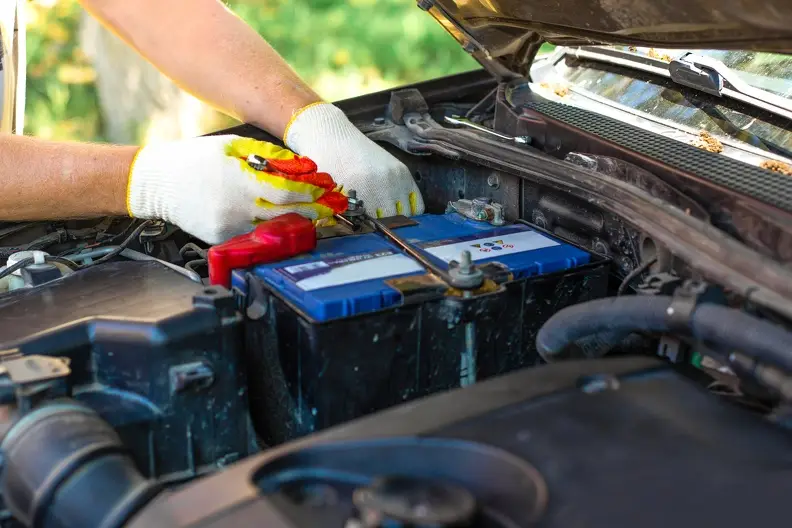
Your car’s battery is essential for starting the engine and powering various electronic components. It directly impacts the vehicle’s overall performance. Regular maintenance ensures that all systems function correctly. Without a reliable battery, you risk being stranded due to an inability to start your car. This crucial piece of equipment should never be overlooked when considering car care essentials.
When to Consider Battery Replacement
Batteries don’t last forever. On average, they need replacement every three to five years. It’s important to know the age of your current battery and watch for signs of wear, such as slow engine crank or dimming headlights. If you’re unsure about its condition, have it tested by a professional. Timely battery replacement can save you from unexpected problems.
Benefits of Proactive Battery Care
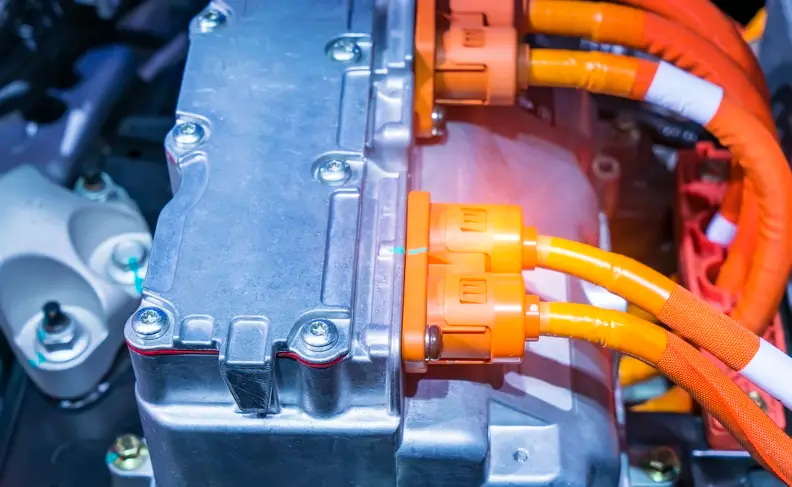
Taking proactive steps with battery maintenance offers several advantages. Firstly, it reduces the risk of getting stranded, ensuring peace of mind during drives. Secondly, maintaining a healthy battery can improve fuel efficiency and protect other electrical components from undue stress. Finally, it saves money by preventing costly repairs that may arise from a neglected power system.
Signs Your Battery Might Be Failing
It’s vital to recognize early warning signs indicating potential battery failure. Look out for:
- Engine cranking slowly upon startup
- Dashboard warning lights illuminating
- Battery case swelling or leaking
- Corrosion around battery terminals
If you notice any of these symptoms, it’s wise to check your battery promptly.
Replacing Your Battery: A Step-by-Step Guide
Here’s how you can replace your battery safely:
- Turn off your vehicle and remove the keys.
- Pop open the hood and find the battery.
- Use a wrench to disconnect the negative cable first, followed by the positive cable.
- Remove any securing brackets holding the battery in place.
- Carefully lift out the old battery and set it aside for recycling.
- Position the new battery, ensuring correct terminal orientation.
- Secure the new battery with brackets.
- Reconnect the positive cable first, then the negative cable.
- Start your engine to ensure everything is working properly.
This process ensures that your vehicle has a fresh power source and functions optimally.
Expert Tips for Maintaining Your New Battery
Once you’ve installed a new battery, consider these expert tips:
- Regularly clean terminals to prevent corrosion.
- Ensure cables are tightly connected to avoid loose connections.
- Avoid leaving electronic devices plugged in when the car isn’t running.
- Check the voltage regularly using a voltmeter to monitor health.
Following these practices enhances battery longevity and reliability.
Your Roadside Safety Solution
Suffering from an unexpected roadside stop isn’t just bothersome; it could jeopardize safety. Replacing your car’s battery before it fails guarantees smooth travel without interruptions. Located in Stone Mountain, GA, I offer personalized automotive services designed to keep you safe on the road. Contact Travis Roadside Assistance LLC at (770) 202-3549 today for dependable assistance tailored to your needs.